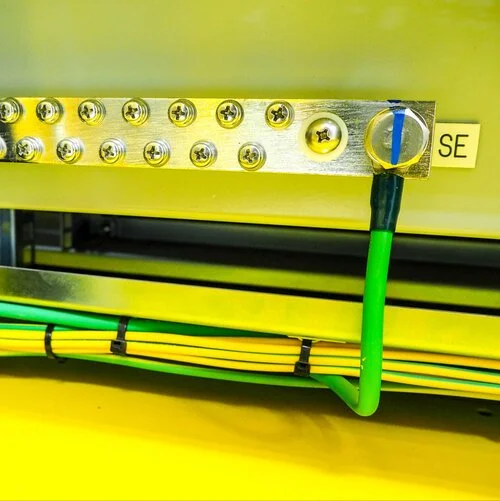
As an electrician, I view the main earth systems as essential components of electrical installations that ensure safety and protect both individuals and equipment. These systems primarily involve grounding and bonding.
Grounding provides a safe pathway for electrical currents to flow into the ground in case of a fault or surge, preventing the buildup of dangerous voltages. It involves connecting electrical equipment and structures to the Earth's conductive surface through grounding electrodes, such as ground rods or metal water pipes. Proper grounding helps stabilize voltage levels, protects against electrical shocks, and enables effective operation of protective devices like circuit breakers.
Bonding, on the other hand, involves connecting all metallic components within an electrical system to establish electrical continuity and eliminate potential voltage differences. This includes bonding conductive materials such as conduits, electrical panels, enclosures, and equipment. By bonding, we ensure that all metallic parts share the same electrical potential, reducing the risk of electric shock and minimizing the potential for equipment damage due to lightning or electrical faults.
Together, grounding and bonding form a crucial safety network within electrical systems. They work in unison to redirect dangerous currents away from people and equipment, while also facilitating the proper functioning of protective devices. By incorporating main earth systems into electrical installations, electricians can help create a safer environment, minimize the risk of electrical hazards, and ensure reliable operation of electrical equipment.